

A Guide to Filter Coffee Machines
Filter coffee machines are able to produce a rich and satisfying cup of coffee. If you use the right methods, it's possible to achieve the best flavor and brewing process that's gentle on your machine.
It is essential to use the right equipment and adhere to the guidelines for the coffee-to-water proportion and the grinding process, as well as the filter's placement and timing. This could make all the difference in the quality of your coffee.
The water tank
The tank that holds water in the filter coffee maker stores the water that is used to brew coffee. It is essential to use filtered, fresh water in the tank to obtain the best coffee flavor. The tank is in the middle or above your filter basket, and its capacity varies between different models. For instance smaller models might just hold one cup of coffee at a time, whereas a larger machine can accommodate the capacity of a pot or carafe.
The tank has heating elements that are used to heat the water before it is poured onto the grounds. When the water is heated it is dripped across the coffee beans that have been ground and picks up coffee oil and flavors during the process. Then, it is poured into the carafe or pot which is then ready to enjoy!
The ratio of water to coffee grounds can have a major effect on the taste and strength of the filter coffee. The recommended ratio for a light cup is 1:15, and for a more robust, strong cup, it's 1:18. A digital kitchen scale can help you accurately determine the amount of coffee and water required, depending on your preferences.
After each brewing cycle, it is important to flush the coffee maker with vinegar, to prevent mineral build-up that could cause problems with the function and taste. Also, you should clean the filter basket, and the filter holder, on a regular basis. They can collect residues from previous cups.
It is an excellent idea to store the coffee beans in a sealed container away from moisture and light to maintain their freshness. This will also protect the coffee from oxidation, which can cause bitterness and astringent flavor.
The filter basket
The filter basket is the container in which the coffee grounds are stored and hot water flows through to extract flavors. The dimensions and shape of the basket affect the taste of the final cup. The most popular types are drip coffee machines, percolators and pour-over coffee systems.
Drip coffee makers are the most popular. They have the water reservoir which heats the water before it slowly drips it over the ground coffee in the filter basket, collecting it in the carafe below. These coffee makers can make several cups and are typically electric. Percolators are more traditional with a copper coil which circulates the water around the grounds in a pot which is then poured into individual cups below. They are typically stovetop, but could also be electric. Pour-over systems use an oversized filter cone to hold the coffee grounds while allowing water to flow. This results in a cup of coffee with an intense, delicious taste.
In general, the larger the coffee maker basket, the more pronounced the flavor will be. Therefore, it is recommended to only fill the filter coffee maker half full of grounds to get the optimal results. Selecting a fresh-roasted, high-quality coffee that fits the size of the brewing basket is crucial.
The brewing process of filter coffee is mostly dependent on the water temperature and how finely the grinds are being tamped. There are many methods to create various flavors, but the most important elements include choosing the right grind size and water-to-coffee ratio and ensuring that the temperature range of brewing is at the right temperature (88degC-92degC), as well as determining the appropriate amount of brewing time for the desired flavor profile. Maintaining a proper maintenance and cleaning schedule for your filter coffee machine is essential to ensure it's working properly and to avoid mineral deposits that could affect the flavor and consistency of your filter coffee. Regular cleaning and rinsing can aid in prolonging the life of your coffee maker too.
The process of brewing
The process of brewing is an essential element of the coffee-making process. The brewing process involves transformation of coffee beans into a delicious and smoky beverage. You can alter variables such as the temperature of the water and the size of the grind and the brewing time according to your taste. It takes time and practice to master the use of the coffee filter machine.
To make dripper coffee maker of filter coffee, you need a coffee grinder or pour-over device and a reusable or paper filter, and boiling water. First, rinse the filter with hot water to eliminate any residual paper taste and heat up your brewing equipment. Add the coffee grounds evenly and then wash them with hot water. Then, pour a small amount of hot water over the grounds to "bloom" them. This step is crucial to release the gas and carbon dioxide that is trapped in the grounds, enhancing your drink's flavor.
Pour the remaining hot water slowly over the grounds once the coffee has begun to bloom. Pour the water in a circle to ensure that all the grounds are soaked. Put a lid on the carafe and allow it to sit for 4 to 5 minutes. When the brewing process has been completed, take off the lid and the carafe and serve.
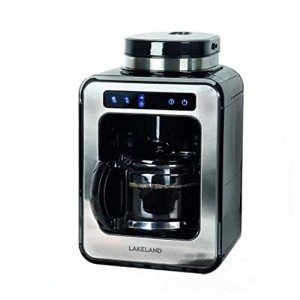
A coffee maker that is filtered is not just economical but also green. It is not powered by electricity and doesn't produce much waste. You can cut down on the energy use by preheating the water prior to introducing it into the machine, avoiding leaving the machine on for prolonged periods of time, and cleaning and descaling regularly.
Although using a filter coffee maker is less complicated than using a pod-based machine, it does require some understanding and focus on the details. To achieve the best results, you need to select high-quality coffee beans and follow the right procedure for brewing. This includes choosing the right grind size and making use of fresh coffee. It is important to know that different methods of brewing have different flavor profiles.
The carafe or the pot
The water flows through the filter and grounds to extract and flavour the beans. This results in an excellent cup of filtered coffee. There are some key factors that influence the taste of filter coffee, which include the temperature of the water, grind size and the brewing time. Learning to master these variables requires a bit of experimentation and practice, but the rewards are well worth the effort.
The first step to prepare the perfect cup of filtered coffee is filling the water tank or reserve with cold, fresh and, ideally, filtrated water. It is crucial to measure the water accurately because the amount needed depends on the number cups you want. The best method to accomplish this is by using the measuring lines on the coffee pot or by looking for indicators on the reserve. They will inform you of the amount of water is needed to fill the cups that have been chosen.
After a brief wait after which you can add the coffee grounds and filter. To ensure even extraction and smooth tasting, it is recommended that you use medium-sized grounds of coffee. Pre-wetting the filter is also essential prior to adding it to your brewer. This eliminates any paper taste, and ensures an even flow of water during the brewing process. It's also important to evenly distribute the grounds over the entire surface the filter.
Pouring the water over the coffee grounds is next. The amount of water required varies according to the kind of coffee being brewed It's therefore important to follow the directions included with your machine. Pouring water is best done in a circular motion and you should continue to do this until the coffee grounds are fully saturated. Filter coffee has a less pronounced flavor than cafetiere-based coffees due to the fact that it lacks the oils that give them a richer taste.
A filter coffee maker is a convenient and easy method of making hot coffee. It is important to regularly maintain your machine and adhere to the recommended descaling process. This will prevent mineral deposits that can adversely affect the flavor and quality of your coffee.